
anyone can develop ptsd. society is generally under the impression that ptsd is a soldier’s disease, that those who have experienced war are the ones who develop it. we need to be more mindful of how we treat people with ptsd, it is not an illness that anyone would choose to have and it is not the person’s fault for developing it. we all process trauma differently and everyone deserves the space to process safely.
“we don’t heal in isolation, but in community.”
s. kelley harrell
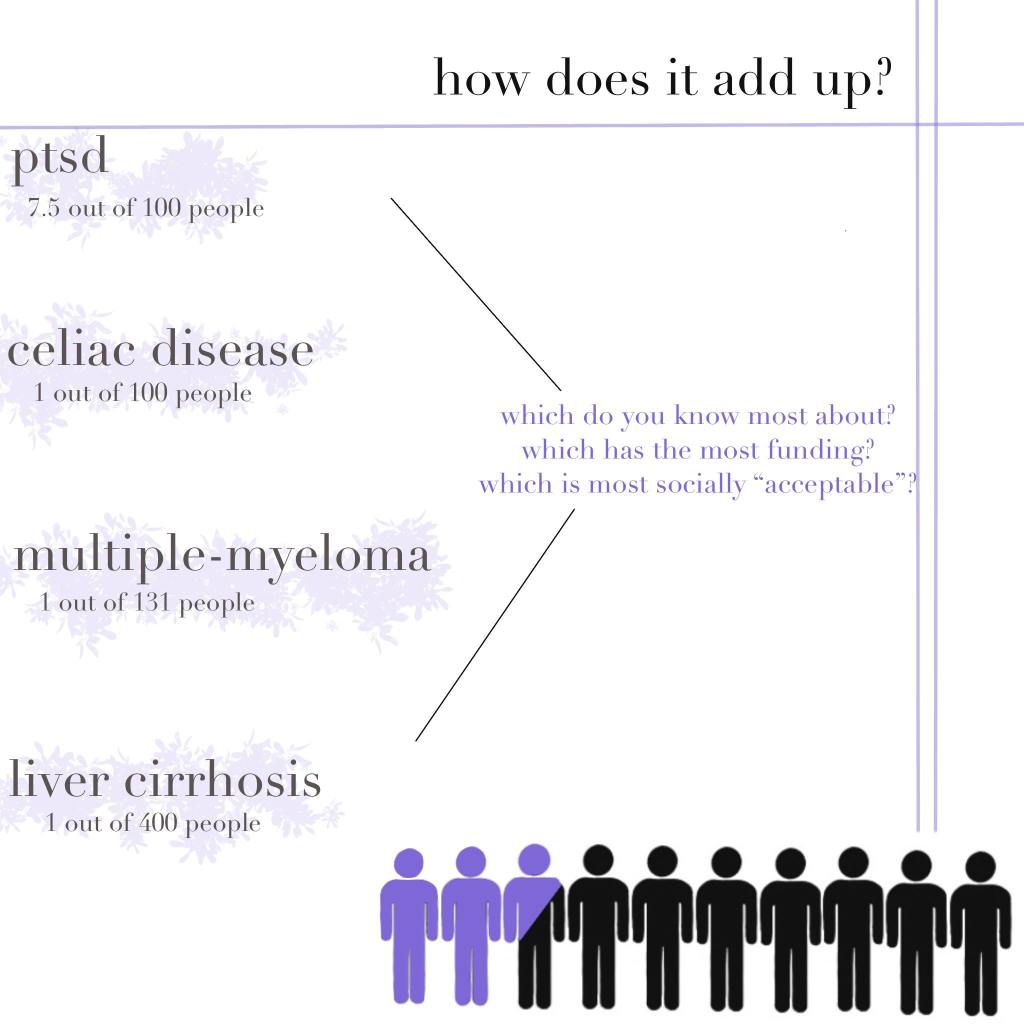
a quick google search of “stigma around ptsd” pulls up scholarly articles, with the top five results being solely about soldiers. the idea of ptsd being a soldier’s issue can polarize the issue and make people who experience other kinds of trauma feel like they don’t deserve the same support or respect because they did not get it from war. because ptsd doesn’t discriminate by age, sex, income, or any specific demographic, it is not important to acknowledge that anyone can develop ptsd. everyone can benefit from being a little more educated on this health topic. of course, this may make it difficult for people with this illness or people supporting those with this illness to receive the message and feel more comfortable.
the first step is destigmatizing ptsd and making people aware that it is not just from witnessing war. you can experience something traumatic in your own home, it’s not something you would only get from a bad experience overseas. the hope is that if people understand that it can come from anything, it should help them support those who develop ptsd and hopefully help people who have ptsd feel more comfortable asking for help.
“no amount of me trying to explain myself was doing any good. i didn’t even know what was going on inside of me, so how could i have explained it to them?”
sierra d. waters
symptoms of ptsd
- re-experiencing
- flashbacks
- nightmares
- fightening or intrusive thoughts
- avoidance
- staying away from people/places/events
- avoiding certain thoughts or feelings
- arousal/reactivity
- tense or on edge
- easily startled
- sleep difficulties
- anger outbursts
- cognition and mood
- memory loss surrounding the event
- negative thoughts
- distorted feelings
- loss of interest in activities
what can i do if i have ptsd?
reach out. create a support network of friends, family, neighbors, coworkers, anyone. social support is one of the most important things you can do for yourself. consider therapy; talking to someone can help you work through what you went through and help lessen the symptoms of ptsd.
your feelings are valid. your experience is valid. you are not alone.
here’s some places you can reach out to:
- National Suicide Prevention Lifeline, 1-800-273-TALK (8255)
- SAMHSA Treatment Referral Helpline, 1-877-SAMHSA7 (1-877-726-4727)
- Crisis Text Line: https://www.crisistextline.org/ or text HOME to 741741
- National Alliance on Mental Illness: (800) 950-NAMI (6264)
- MentalHealth.gov: (877) 726‑4727
 ptsdadvocate.health.blog